Every new technology necessarily has to kill off an older one to
make room for itself, right? Radio was going to kill off theatre. TV
sounded the death
knell of radio. VCR killed off TV. And the internet is going to kill
them all. Right? Ah, no. 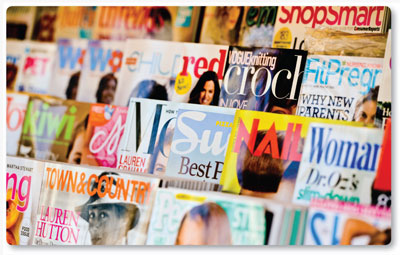 Apparently
not. Amazingly, theatres around the country are
thriving. Somehow radio survived the onslaught of television and
remains a successful and entertaining medium. Turned out that VCR, and
then all the
subsequent methods of recording television programmes and watching
them at your convenience, made television even more appealing, not less.
And what do you
know, radio, television, print, and all the other forms of
entertainment and information medium, are still alive and fighting fit
(or at least fighting) in
spite of the doom-sayers’ predictions for the internet’s insatiable
appetite for consuming and then spitting them out. Oh, and just
by-the-by, since
Facebook was founded, magazines have gained more than one million
young adult readers. Go figure.
Apparently
not. Amazingly, theatres around the country are
thriving. Somehow radio survived the onslaught of television and
remains a successful and entertaining medium. Turned out that VCR, and
then all the
subsequent methods of recording television programmes and watching
them at your convenience, made television even more appealing, not less.
And what do you
know, radio, television, print, and all the other forms of
entertainment and information medium, are still alive and fighting fit
(or at least fighting) in
spite of the doom-sayers’ predictions for the internet’s insatiable
appetite for consuming and then spitting them out. Oh, and just
by-the-by, since
Facebook was founded, magazines have gained more than one million
young adult readers. Go figure.
What actually happens when a new medium comes along, is that people
find room in their lives for it along with the media they already love…
as long as
those media continue to evolve and provide irreplaceable value.
The internet and all the digital platforms offered by
ever-developing technology are like shiny new toys in the publishing
toy-box. Attractive, no
question. Exciting, definitely. Commercially full of potential,
almost certainly. But just because a new plaything is irresistibly
appealing, that
shouldn’t devalue a long-proven and much treasured model.
I make no excuse for reminding those in our industry who are so
bedazzled by digital, that good-old print is still the bedrock of the
greater part of what
we do, and still, in the majority of cases, contributes the
lion-share of profits.
And I ask no forgiveness for reiterating the unique strengths of
print – specifically magazines - as a medium of communication,
information and
entertainment.
A tactile experience
The most obvious potency of print is the physical experience of it.
Reading a magazine is a distinctively individual, lean-back encounter.
The vast
majority of us spend most of our days looking at screens, and plenty
of our leisure time doing the same. It may be efficient, effective and
enjoyable but
it’s also wearing – on the eyes and the posture. And it’s not
remotely sensual or tactile. Magazines are both those things, and in the
same way that a
virtual relationship can never satisfactorily replace a physical one
(viz Spike Jonze’s thought-provoking exploration of this in Her), so a
screen
experience can never be a fully satisfying substitute for the feel
and look of paper in your hand. And let’s not spend too long reflecting
on the need
computers / tablets / phones have to be recharged, or locate the
right bandwidth or wifi. Other than to just mention that you don’t
require any of that
with paper. Just saying.
A unique bond
Then there’s the relationship magazines have with their readers. Not
only do magazine purchasers make a statement about themselves, their
values and their
interests through the titles they procure, carry in their bags, read
on the train, have sitting on their coffee tables, they are also buying
into the
values of that brand. They believe in and trust what they read. And
so they should. Editorial teams employ their considerable expertise and
energy to
ensure that they can. The value of editing and curating content is
one of the most consistently cited benefits of magazines by their
readers, who will
enthusiastically engage more with content, both editorial and
commercial, because of the trust they invest in the brands they buy.
More than that, the relationship that magazine brands have with
their print consumers is enormously influential in their purchasing
behaviour. Magazines
score higher than both television and the internet on ad response
and trustworthiness. 47% of magazine readers say they trust the ads they
see in print as
opposed to 28% of people looking at online banner ads. And more than
60% of magazine readers take action as a result of seeing an advert in a
publication.
Which, when you factor in that four out of five adults read
magazines, is a pretty hefty amount of commercial clout.
That trust that consumers invest in the print brands they choose has
other layers of commercial benefit. The simple act of turning the pages
of a magazine
means that readers will, unintentionally but inevitably, encounter
content they wouldn’t specifically look for. And that includes ads and
commercial pages.
I appreciate you can say the same of digital content, with its drop
down / pop up ads, but factor in that the average view time for a web
page is 33
seconds (and half of that for ads) as compared to the 43 minutes
that a magazine reader spends engrossed in their copy and that’s a good
deal more
attention and engagement being delivered through the printed page.
Print and digital together
So print has a lot going for it then. But before you start to accuse
me of being a grumpy old troglodyte or rampant digital dissenter, I’m
neither. I’m not
for a moment suggesting that magazines are ever likely to deliver
the sort of revenues they have historically, or to provide the level of
future profits
that businesses require to thrive. On the contrary. Print will only
survive and flourish if it operates in conjunction with all the other
content platforms
that enthral readers, whatever they are, now and in the future.
Print must stay abreast with the rest of the content creation industry,
not lag behind it
bleating.
These are demanding but exciting times for the whole industry. Some
rationalisation of the number of magazines on the newsstands is
inevitable. It will be
difficult and brutal, but the brands, editors and publishers that
survive the blood-bath should emerge stronger for that. In the future,
print will need to
be fleeter of foot to meet and match the speed of digital change and
that will take bravery and commitment from publishers.
As the chair of the BSME and its awards last year, I was afforded a
unique insight into how editors are embracing the challenges of building
on their
brands and their commercial revenues through fantastically creative
use of digital platforms and the multiple content experiences they
offer. The
imaginative, resourceful editorial skills that have always been the
bedrock of print content creation are as important, if not even more so,
in the
multi-platform, multi-experience future. Increasingly, editors need
to make fast, and sometimes risky, decisions and publishers and
businesses need to
enable and support them in doing that.
There is still a lot of money to be made from the sale of magazines.
£2bn worth are purchased every year. 2.6 million of them are sold in
the UK every day.
They are read by 87% of the UK population. And that’s not just
print-wedded oldies. 91% of 15-24 year olds read magazines. Print is not
just a recreational
experience, it is, as the figures show, a powerful commercial one
too. Magazines rate at number one at influencing consumers to search
online, above all
newer media options.
Digital is a thrilling and still relatively new world; all I’d say
is, take care not to throw out the print-baby with the bathwater in our
enthusiasm to
embrace all the opportunities it presents.


